Revenue intelligence isn't just another buzzword. It's a smarter way for businesses to really see what's going on with their sales and customers. When you put data, tech, and smart thinking together, it gets a lot easier for teams to figure out what actually drives revenue-and what needs fixing. Instead of guessing, companies get a clear line of sight from sales activities right through to results.
That makes it much simpler to tweak plans, chase the right opportunities, and build a serious path for growth.
Key Takeaways
- Revenue intelligence allows companies to sort through their sales data and make better decisions.
- Sales intelligence offers up the insights that will drive meaningful customer interactions.
- RevOps connects the sales, marketing, and customer teams so their work flows seamlessly.
- Revenue analytics will bring you up-to-date with trends, opportunities for improvement, and expansion.
- Pipeline analytics gives insight into deals, where they stand, and what obstacles exist.
- Real-time data makes forecasting a lot more accurate.
Revenue Intelligence's Real Value in Business Today
It brings together data from everywhere-across sales, marketing, customer support, you name it-to show how companies actually make their money. With AI, automation, and sharp analytics, businesses get a window into customer behavior and sales performance they just didn't have with old-school reporting. Traditional reports only tell you what happened. It asks: why did it happen? Sales leaders spot what's working, catch problems before they blow up, and base choices on facts, not wishful thinking.
Most companies use revenue intelligence tools that pull info from CRMs, communication apps, and sales logs. This way, you see the whole customer journey at once, which helps teams iron out every point along the way where people get stuck.
How Sales Intelligence Actually Helps You Understand Customers
Sales intelligence does the hard work of uncovering what customers and prospects actually want, how they think, and what's going on in the market. It's that extra edge-knowing what makes buyers tick before you even pick up the phone. When teams know more, they can reach out in a way that clicks with a client's real needs. No more shooting in the dark or making empty guesses. Data takes over, building real connections with future buyers.
Plus, sales intelligence feeds revenue intelligence. It drops in key details about leads and accounts, and, when you mix it with other data, patterns start to pop up. Teams get a sharper sales approach and can keep tweaking for better results.
RevOps: Where Teams Actually Start Clicking
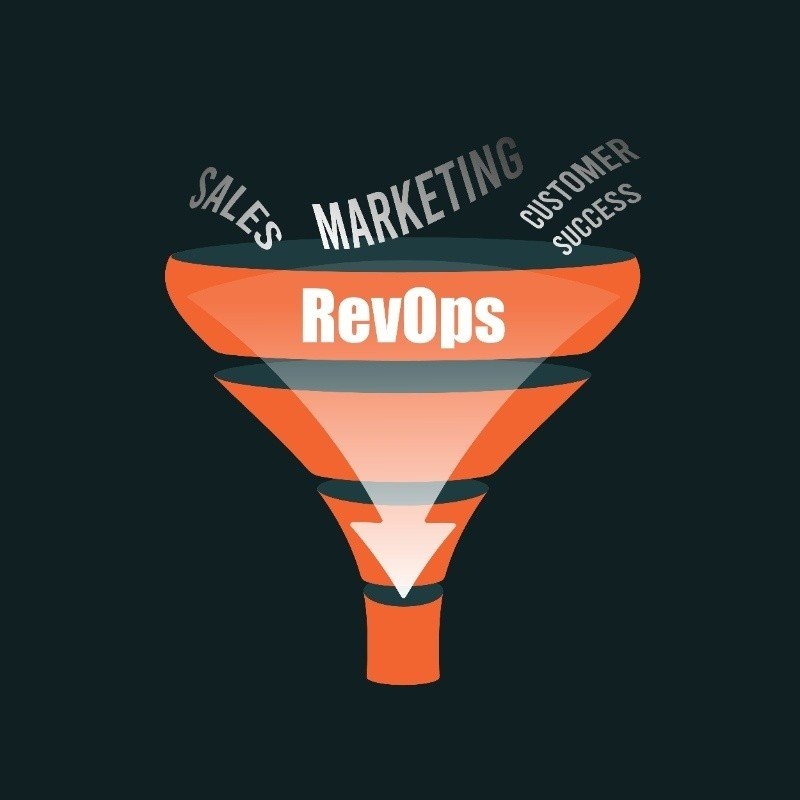
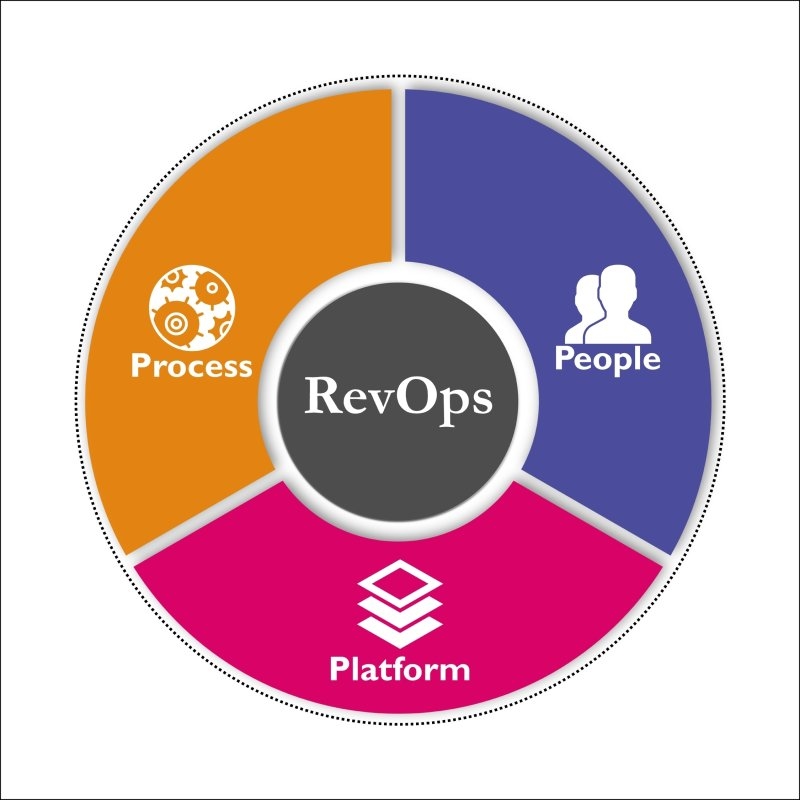
RevOps (short for revenue operations) tears down those classic walls between sales, marketing, and customer success teams. Everyone's pulling together toward shared goals, not just chasing separate targets. With RevOps, you see way fewer bottlenecks-because you've got clear workflows, one set of data, and everyone's actually talking to each other.
Revenue intelligence fits perfectly here. It gives up-to-date info on team performance and customer behavior. Leaders know exactly where things stand and can get everyone pulling in the same direction instead of running in circles.
How Revenue Analytics Drives Growth
Revenue analytics digs deep into your numbers, not just to see what's selling but to find out why. Which products are flying off the shelves? Which customers (or types of customers) truly matter? Where does money slip through the cracks?
This goes way beyond basic sales reports. With revenue analytics, companies learn about retention, win rates, and how sales activities really translate to dollars. Teams understand what's working now and what needs to change next, so every move is a little smarter than the last.
Pipeline Analytics: Seeing What's Really Happening
Pipeline analytics lets sales teams get a grip on every deal in play. You can see how many real opportunities you have, where things are moving, and-just as important-where deals are stuck. Without this, risks can sneak up and wreck your targets.
When you blend pipeline analytics with revenue intelligence, you get more control. Sales managers get a live view and can step in right away, not after it's too late. It all adds up to better win rates and steadier growth.
Smarter Forecasting with Real Data
Forecasting matters-a lot. But if your numbers are off, your predictions are useless. The good news? Real-time data changes the game. Now, companies forecast based on what's actually happening, not just on old trends or gut feeling.
Revenue intelligence pushes forecasting to the next level. It gives leaders actual details, so planning is based on reality. With better forecasts, budgets make sense, resources go where they're needed, and companies stay one step ahead.
What Businesses Really Get from Revenue Intelligence
When companies use revenue intelligence tools, they notice a few things right away:
- They see sales activity and customer behavior far more clearly.
- Problems that hurt revenue get spotted-and fixed-faster.
- Sales, marketing, and customer teams start working more closely together.
- Forecasts and plans are more reliable and accurate.
- Decisions line up with what's actually happening now, not what might happen.
Pulling all these pieces together-sales intelligence, RevOps, analytics, and so on-sets companies up for real, connected growth.
Final Thoughts
Revenue intelligence gives businesses a sharper, more honest look at how they sell, how customers react, and where the best chances lie ahead. Mix in sales intelligence, RevOps, analytics, pipeline oversight, and good forecasting, and you're suddenly playing with a lot more information, a lot fewer surprises, and much better odds for long-term growth-even when things get tough. The result? Stronger strategies, tighter customer relationships, and a sturdy foundation for whatever the market throws at you next.
FAQs
How is revenue intelligence different than conventional sales reporting?
It looks past the past performance statistics captured in standard sales reports and digs deeper to discover why a certain level of results was achieved. In traditional reports, you can easily get figures that demonstrate your past, but in them, all the available data is unified to enable identification of patterns, increase the effectiveness of decision-making, and teams will be capable of addressing the situation prior to a dip impacting the revenue of the business.
How can the little businesses gain an advantage from revenue intelligence?
Small companies, small- and mid-sized organizations too can take great advantage of Revenue intelligence as it can help with their understanding of customers, the way to oversee opportunities available, along with the capability to make use of resources in the correct and best direction possible. As an outcome, even a small team can considerably optimize how the decisions happen, what approach is being implemented for sales, and also be able to know the exact places that can contribute to future sales growth opportunities.
How will revenue intelligence help improve relationships with customers?
This will help improve customer relationships by providing better insights into customer needs and preferences. You can gain insight into how each individual client thinks and their requirements from it. Consequently, you're able to construct customized communications with the intention to fulfill their demands, offer improved goods and services, and also manage their buying needs and expectations, from the beginning to the end of the procedure.
Is revenue intelligence helpful for sales forecasting?
It is tremendously useful for sales forecasting. By monitoring up-to-the-minute deal progressions, pipeline velocity, and customer engagement, sales organizations can significantly improve the accuracy of their sales forecasts and gain the confidence to adapt plans in line with current, accurate data.