It's not enough to have great products and talented sales reps today. Businesses also need robust systems that can improve the productivity of their sales team and ensure their sustained growth in the long run. Knowing how sales operations vs revenue operations differ will allow a business to decide which approach will best serve its needs to enhance its long-term growth strategies, sales planning, and operational efficiency.
Both business strategies enable growth; their focuses and the results that each produces will differ.
Key Takeaways
- Sales operations primarily serve to boost the efficiency and performance of the sales team.
- Revenue operations aligns the entire revenue process with marketing, sales, and customer success teams under a single strategy.
- A robust sales enablement strategy complements each approach to boost sales and customer service.
- A clear revenue strategy supports consistent growth.
- The optimal choice depends on the size and maturity of the company and the collaboration that it shares among various departments.
Sales Operations vs Revenue Operations: How do They Differ?
To compare sales operations and revenue operations, the primary distinguishing feature would have to be the operational breadth each function covers. Sales operations primarily work to strengthen the performance of sales representatives and the department in general by managing its reporting processes, forecasts, technological tools, and performance.
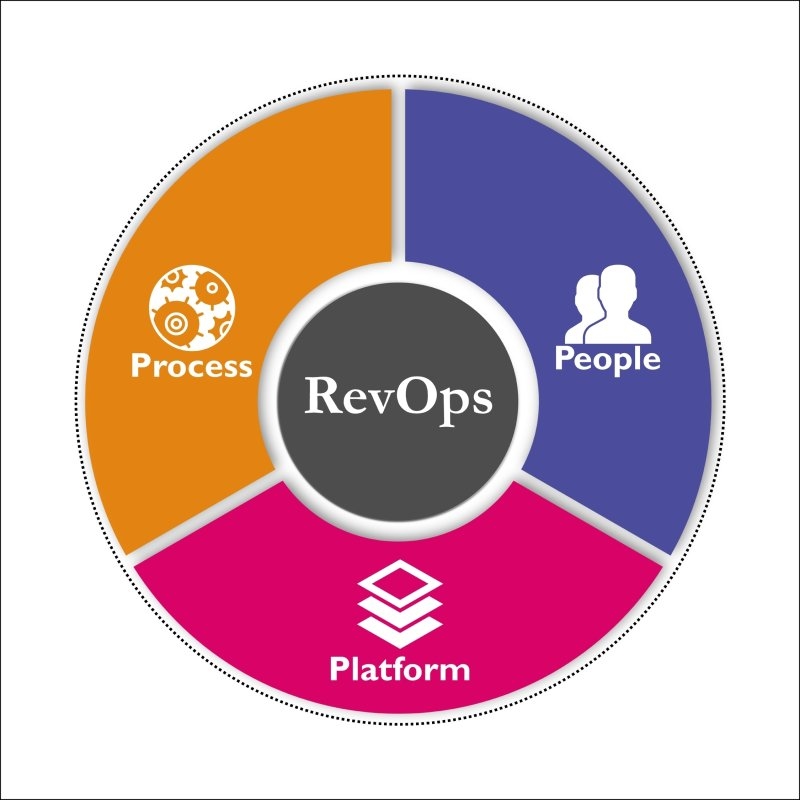
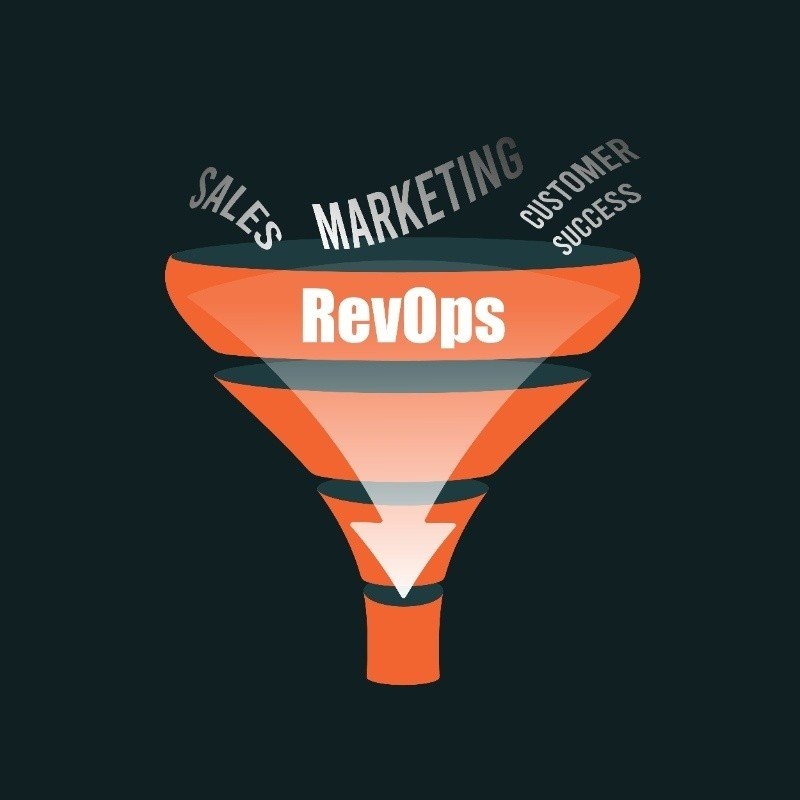
While it includes all of the above from sales ops, rev ops also synchronizes your sales, marketing, and customer success to establish one holistic revenue strategy and improve the customer journey across all customer touchpoints. Both operations require sales enablement, but revenue operations attempt to eliminate interdepartmental barriers to enhance overall business performance.
What Does Sales Operations Focus On?
Sales operations functions to assist sales representatives in spending more time selling to clients rather than performing clerical tasks. The operations function is responsible for managing the CRM and other sales reporting functions, planning the sales territories, defining the payment structure, and also sales forecasting.
Sales enablement is an essential element of sales operations. It encompasses the training and learning of sales representatives on products and the provision of the latest information and technology to help the reps achieve higher sales targets and enhance customer interactions. Businesses often measure sales reports frequently and adjust sales revenue strategies according to market dynamics and customer behavior. Companies that primarily depend on sales reps often benefit from sales operations, as it allows higher efficiency without alteration of the entire company structure.
Benefits of Revenue Operations
Revenue operations involves all client-facing departments and ensures all efforts work towards one collective business goal, not departmental targets. These departments include marketing, sales, and customer success. The operations function under a shared revenue strategy, which provides coverage from the initial interaction of the customer with the business through renewal and subsequent upgrades.
Instead of focusing sales enablement on only the sales teams, it is working across all customer-facing employees to provide connection and power. Both the data and the performance metric are shared, and a consolidated tech strategy is present. Revenue operations can help reduce customer relationship gaps and communication gaps, as well as establish a predictable, repeatable, and consistent pipeline for revenue.
Major Differences Between Sales Operations vs. Revenue Operations
The most significant differences are that the operational models have the business objective of growth, but both models help accomplish that using unique processes and approaches. With these different models, your business can easily determine whether to improve internal efficiency across departments or optimize across your entire organization. Enable your entire team through:
| Comparison Factor | Sales Operations | Revenue Operations |
|---|---|---|
| Primary Focus | Improves the efficiency and productivity of the sales team | Optimizes the entire revenue-generating process across departments |
| Departments Involved | Sales department only | Marketing, Sales, Customer Success, and Finance |
| Main Goal | Increase sales performance and streamline selling activities | Align all revenue teams to drive predictable business growth |
| Data Usage | Tracks sales metrics, forecasts, and pipeline performance | Combines data from multiple departments for unified business insights |
| Business Strategy | Focuses on improving sales processes and execution | Builds and manages a company-wide revenue strategy |
| Key Success Metric | Higher sales productivity and quota achievement | Sustainable revenue growth and better customer lifecycle management |
| Technology Used | CRM systems, sales analytics, and forecasting tools | Integrated CRM, marketing automation, customer success, and analytics platforms |
| Best For | Businesses looking to improve sales team performance | Organizations seeking cross-functional alignment and scalable growth |
Continuous improvement and investment in sales enablement allow a business to provide its employees with better onboarding, higher productivity, superior customer satisfaction, and enhanced cross-departmental teamwork.
Building a Strong Revenue Strategy
A functional revenue strategy can not only identify the right sales target but also bridge together the efforts in campaigns, the sales process, retention of customers, and future opportunities to sell clients on upgrades into one clearly outlined plan. A revenue operations strategy lends itself easily to this type of strategic approach by creating a platform where data and common goals are readily available among all departments.
The insights from sales operations provide valuable forecasting and help to determine which strategies are working or need to be adjusted. When developing the revenue strategy, companies should always reference sales data, customer feedback, market conditions, and operational performance to improve long-term profitability.
Sales Operations vs Revenue Operations: Which is the Right Choice for Your Business?
Sales operations vs revenue operations will likely vary based on a company's growth stage and objectives. Smaller businesses that have only sales-specific departments on their sales team will get the most from sales operations because sales operations enhance workflow without changing the underlying structure of a business.
In larger organizations, where multiple client-facing departments are present, Revenue Operations is a better course to follow because Revenue Operations creates cross-department alignment and removes any redundancy from departmental operations by supplying support using a revenue plan that involves every client-facing employee.
A company may begin with investments in sales operations for more efficiency, then expand into revenue operations as more sophisticated business operations evolve. Sales Operations vs Revenue Operations
Conclusion
By delving deeply into sales operations vs revenue operations, your business will be able to determine the method of operation that is most appropriate for your growth goals and objectives. Sales Operations enhances the efficiency and efficacy of your sales team, and Revenue Operations provides you with alignment across all your client-facing teams, implementing a comprehensive revenue strategy.
These methods, in addition to effective sales enablement, are certain to increase your overall production, improve your customer relations, and boost your company's overall growth rate.
Frequently Asked Questions
What metrics should a revenue operations team keep tabs on?
A revenue ops team ought to stay updated on customer acquisition cost, sales velocity, pipeline quality, conversion rate, renewal rates, average deal size, and growth. If a revenue ops leader doesn't stay updated on connected KPIs like these, an executive simply won't know the state of a company's business.
How can I take advantage of the value of revenue operations as a small business?
Yes. You don't need to build a huge, devoted revenue ops team if you run a small business. A strong relationship between a customer, marketer, support representative, and seller means a more unified client experience and a more coherent business strategy. Make the process easier to use by starting with a basic implementation now, so it's easier to grow later on.
Why is the role of technology important to sales operations?
Technology is crucial because it drives sales operations' capacity to reduce redundant operations, promote more consistent report outcomes, monitor interactions with clients, and deliver performance intelligence. Using such software and client databases enables sales personnel to perform efficiently, allowing managers to be better informed when preparing and predicting.
When should I review my company's revenue processes?
Ideally, a business leader should conduct these reviews once per quarter to examine their workflow inefficiencies, evolving customer preferences, technology shortfalls, and evolving market conditions. Reviews at such intervals can help a business to remain focused and ensure the continued alignment of its departments with its objectives.