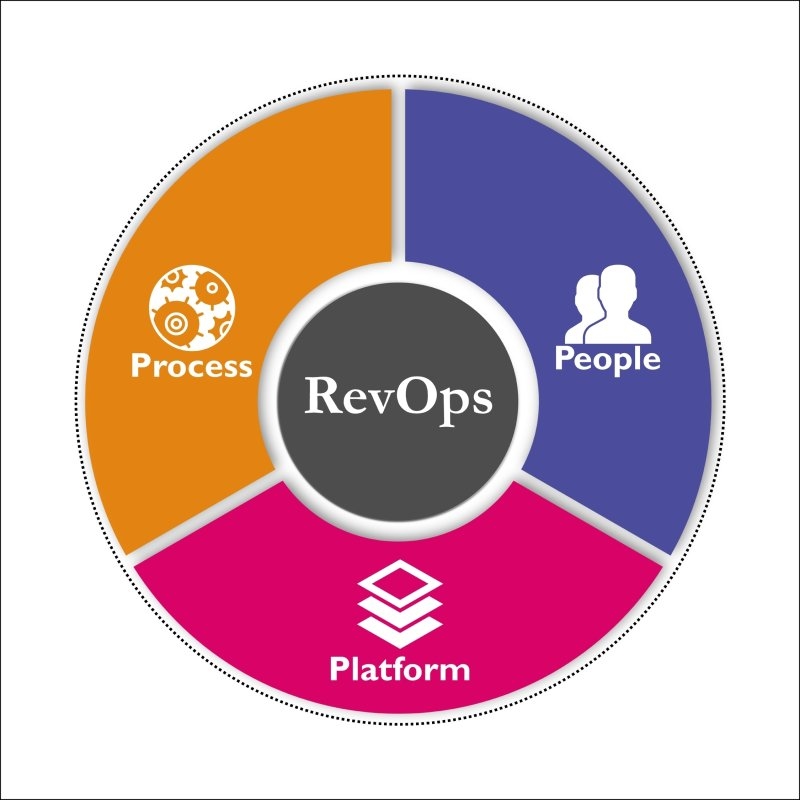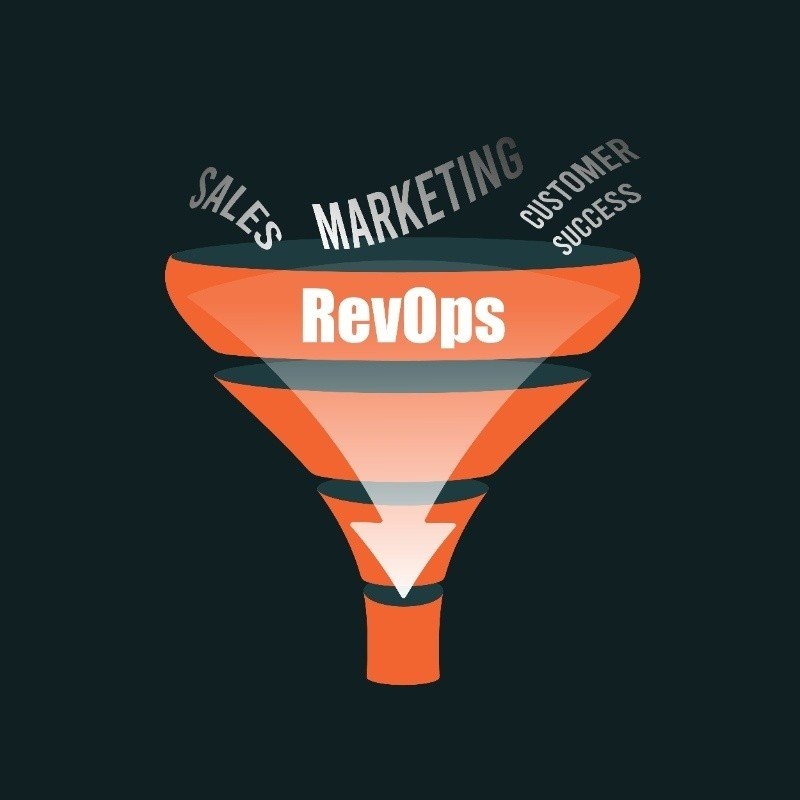
Businesses always want to make smarter decisions based on data. Luckily, RevOps metrics are able to tell you exactly where you should be heading. Monitor overall company performance in marketing, sales, and customer success; improve cross-functional collaboration; gain better visibility for increased efficiency, forecasting, and revenue ops; and allow for revenue growth.
Key Takeaways
- RevOps metrics help align marketing, sales, and customer success to business goals.
- Revenue KPIs show the business's financial health.
- Sales KPIs will help to identify where deals get stuck.
- Pipeline metrics will enable accurate forecasting.
- Strong revenue operations will ensure better teamwork and the most effective business growth.
- Regular monitoring of these KPIs will help to foster sustainable revenue growth.
Why do RevOps Metrics Matter for Business Success?
A successful company is no longer looking at departmentalization. By measuring performance through RevOps metrics, they look at the whole client life cycle, with marketing leads becoming paying clients through the work of the sales team and further nurtured by the customer success team. As this all relates to one measurement standard, each team feels accountable for the shared objectives.
When a business has clear revenue KPIs, sales KPIs, and pipeline metrics readily available, it can gain visibility into its performance, enhancing revenue operations and strategic planning and driving revenue growth as it eliminates all guessing.
Essential RevOps Metrics Each Business Should Monitor
Not every KPI holds the same weight. Understanding which KPIs to focus on enables business leaders to see what's driving revenue growth and where improvements need to be made.
Customer Acquisition Cost (CAC)
A cost incurred by the sales and marketing teams to win a new customer. Monitoring and comparing your CAC with your CLV allows you to understand if your efforts are paying off and if they will generate revenue. When it comes down to efficiency, lower CAC is best.
Customer Lifetime Value (CLV)
The profit that the client will bring to the company over the entire course of the relationship. High CLV demonstrates good retention and revenue growth for the business.
Win Rate
Measures how many opportunities close into a deal. This is the most valuable sales KPI, as it is the best indicator of the effectiveness of your sales team and that you are successfully converting deals. It may indicate that the sales team needs to look at qualifying clients better, or they are perhaps losing touch or not making consistent contact with prospective clients.
Sales Cycle Length
A sales cycle is how long it takes for a deal to go through from initial contact to closed deal. A short sales cycle normally indicates smooth operations between the marketing and sales teams and efficiency in revenue operations, as there are no or minimal obstacles to a sale closing. A long sales cycle is a direct indicator of some form of problem that needs resolving.
Revenue KPIs that Demonstrate Business Health
Revenue KPIs provide a clear indication of the business performance. Looking beyond sales figures, they highlight sustainable revenue growth. Revenue KPIs may include monthly recurring revenue (MRR) if it is a subscription-based business or annual recurring revenue (ARR) in long-term plans, both of which enable a consistent stream of income. Revenue retention demonstrates the amount of revenue being sustained by retaining current customers.
By linking together the relevant Revenue KPIs and Sales KPIs, they offer the best of both worlds when it comes to evaluating business performance and helping with strategic decisions such as workforce growth, marketing budget, and how far the company is likely to expand.
Sales KPIs for Optimum Performance
The best sales teams operate with targets, rather than assumptions, and having effective sales KPIs will guide sales representatives towards hitting the marks in both sales and customer acquisition. Conversion rate, average deal size, quota attainment, and follow-up speed are great examples of the most useful sales KPIs, as they offer an indication of which factors will contribute to success for every sales representative.
By looking at these sales metrics over time, it is possible to discover repeatable behavior in top sales representatives and relay it across the entire team. When combined with the relevant RevOps metrics, it is possible to strengthen revenue operations, creating increased communication between the sales and marketing departments, as well as enabling better revenue growth for the company.
Pipeline Metrics for Effective Forecasting
Robust pipelines are key to dependable forecasting. Businesses need to examine the metrics surrounding pipeline performance at all times of the year, not just at the end of a quarter. Effective pipeline metrics may include: pipeline value, opportunity stage conversion rate, pipeline velocity, lead-to-opportunity ratio, and forecast accuracy.
The purpose of pipeline metrics is to identify areas in which leads might be falling out of the sales pipeline before the revenue stream is influenced or a prospect might be about to make the purchase.
The insight offered will allow sales representatives to increase efficiency in dealing with high-value opportunities, leading to the revenue operations system being more effective and the business achieving greater and more predictable revenue growth.
How Does Revenue Operations Bring all Departments Together?
Modern business revenue operations bring the marketing, sales, and customer service teams together to work under one collective aim and set of objectives. Rather than assessing each department on its own, business operations will bring everything together into the same performance model, assisted by Revenue KPIs, sales KPIs, and pipeline metrics to ensure that it is possible to have increased business visibility.
The ability to remove inefficiencies will enable better customer experiences, reduced operational costs, and increased accuracy with forecasting, allowing the business to make decisions more quickly. Revenue operations will lead to better revenue growth over the long term by utilizing the collaborative working pattern that a well-structured revenue operations function supports.
In Conclusion
The relevant revenue KPIs will provide business leaders with the tools to make more informed decisions regarding growth, providing revenue KPIs, sales KPIs, and pipeline metrics as key indicators of what is working within the business to bring the best returns for the company.
By continuing to monitor these and revenue operations, businesses will be more competitive by creating a greater competitive advantage and developing better customer retention in a growing market.
FAQs
What is the difference between RevOps metrics and traditional sales reports?
Reports of sales give sales numbers based on data. While sales ops metrics tell you about the performance of the system responsible for producing income. The business of sales ops data is to communicate with their teams, uncover the process issues, and create higher-performing, more predictive future revenue that's aimed at enhancing the entire business-and it's not just about making that next sale.
How often should businesses review revenue metrics?
Weekly metric review for a small business can bring massive advantages to team efficiency, reporting capabilities, customer relationships, and long-term strategy implementation. For best-in-class performance, companies must monitor metrics monthly and quarterly in order to pinpoint trends before they spiral into larger operational and financial crises.
Can small businesses benefit from revenue operations?
Yes, small businesses benefit from the operational overhaul associated with a proper revenue operations system. While resources may be constrained, a business owner must strive to build a reliable communication channel among departments, streamline sales operations for better customer engagement and customer service, and boost overall team performance through accurate sales reports.
Which metric should be improved first?
The best answer depends on what a specific business requires. Companies that want to improve their sales teams will need to refine their sales operations with better tools and software; organizations looking to gain new customers can invest more in digital marketing by streamlining all revenue operations into one place.