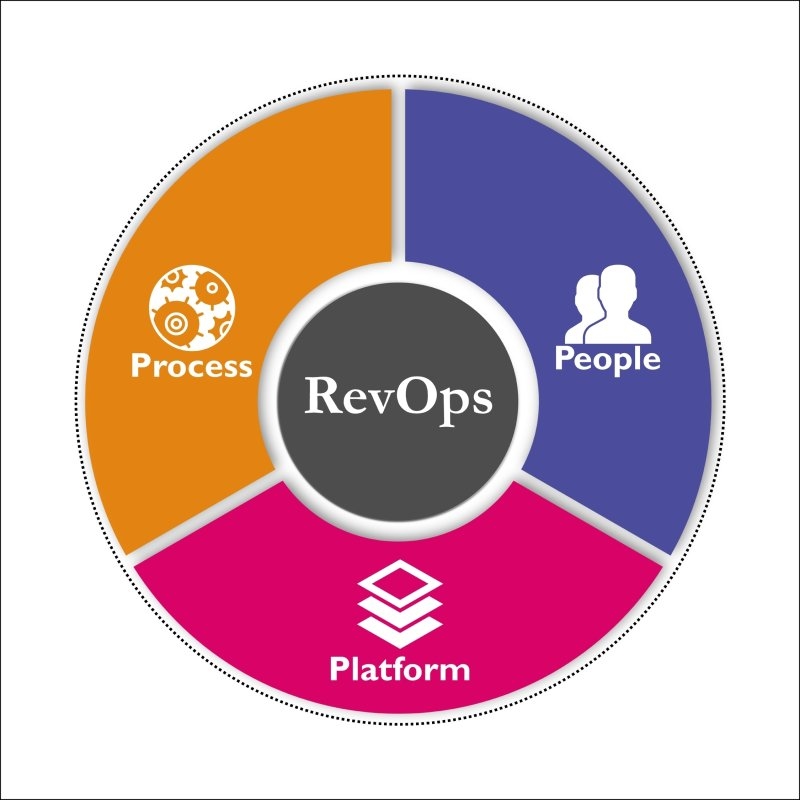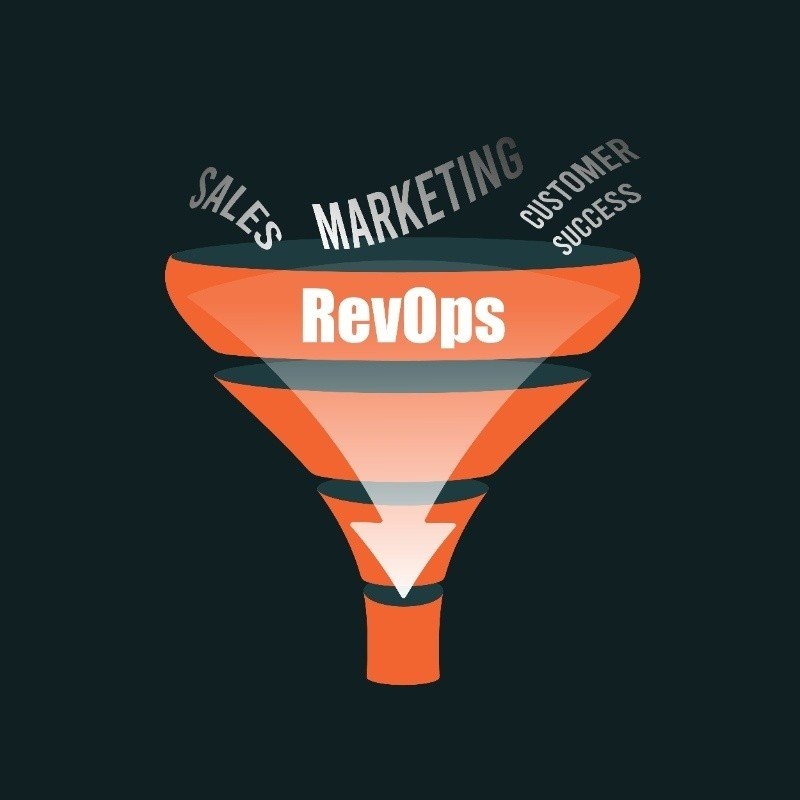
If you really want better sales performance, it starts with the basics: smoother handoffs between teams, clean data everyone can trust, and building strong habits every week. RevOps Best Practices bring sales leaders and go-to-market teams together. Instead of relying on star performers to carry the load, revenue operations set up a game plan-everyone uses the same info, follows the same steps, and can actually make faster choices.
Key Highlights
- RevOps best practices get sales, marketing, and customer teams on the same page.
- Defining clear sales stages means you finally get accurate forecasts and see what's really in the pipeline.
- When your CRM is reliable, teams actually use it to make smart calls.
- Passing leads from marketing to sales works a lot better with clear standards.
- Tracking the right numbers-not vanity metrics-keeps everyone honest about what's working.
- And don't underestimate the little things; streamlining a small process can unlock bigger wins down the road.
RevOps Best Practices For Building A Strong Revenue Engine
A strong revenue engine combines different revenue-oriented teams so that everyone is on the same page. Revenue operations (RevOps) provide that system by aligning all revenue operations with business goals. It's through RevOps that companies are able to drive well-informed, shared data insights. Here are some of those:
1. Start With One Sales Process
First off, get everyone selling the same way. Figure out what your "sales motion" looks like. Are you focused on inbound leads? Outbound prospecting? Partnerships? Expanding with current customers? Spell it out. Map your buyer's journey in clear steps, and set hard rules for what moves an opportunity forward.
If you're moving a deal from qualification to proposal, you need answers on the buyer's needs, budget, timeline, who's saying yes, and what's next-no exceptions or guesswork.
2. Set Up Clear Handoffs
Here's where things fall apart in a lot of companies: details get lost moving from one team to another. Don't let marketing send over a half-baked lead. Sales operations need context-where did the lead come from, what campaign, which customer segment, what's their challenge, what did they click on so far, and what's the suggested next step?
If sales decides to pass on a lead, they should explain why. Was the timing off? Was it a bad fit? Not interested? Those quick notes help marketing aim better next time. When sales and marketing operations actually talk to each other-and set standards for what a good lead looks like-that's when conversion rates go up, and people waste less time.
3. Keep The CRM Useful
Let's not make the CRM a dumping ground. Only track what really matters for forecasting, coaching, and decision-making. Bare minimum, log the lead source, segment, sales stage, expected close date, next action, lost reason, who else is in the mix (competitors), and customer challenges.
A clean CRM management boosts everything. Regular reviews clear out stale deals and fill in missing info, so nobody's working blind.
4. Get Serious About Pipeline Reviews
It's easy to brag about how full the pipeline is, but who cares if half the deals are just sitting there, going nowhere? What you want is quality-real deals moving forward.
During your weekly review, ask: What changed in this deal? Any red flags? What's the next step before we talk to the customer again? Cut out dead weight and make sure the team is focusing on buyers who are really engaged. Pipeline reviews drive better forecasts and more sales.
5. Tighten The Sales-Marketing Connection
Sales operations and marketing operations can't work in silos. Marketing shouldn't just pat themselves on the back for the number of leads-they need to know which campaigns brought real opportunities. Lead scoring should look at company size, industry, job title, website visits, pricing page clicks, and demo requests. That's a much better signal than random downloads.
By pooling conversion data, both teams can sharpen targeting, fix routing, and speed up follow-ups. That's where the real revenue optimization starts.
6. Make Data Actionable
All that campaign data is useless unless it sparks action. Revenue ops teams need to turn signals into playbooks. Imagine a high-potential prospect comes to a webinar-you want sales reaching out today, not next week. If someone's scoping out your pricing page, trigger a follow-up task right away.
Build these habits into the workflow, so you're not depending on someone's memory. That's how you keep momentum.
7. Focus On Metrics That Matter
Don't drown in dashboards. Watch your win rate, average sales cycle length, pipeline created, conversion rates by stage, forecast accuracy, and sales team capacity.
It's also smart to watch "activity" metrics like response time, meeting attendance, and proposals sent. Those numbers show what you can actually improve right now instead of just looking at last quarter's results.
8. Get Better, Bit By Bit
Making a huge change overnight almost never works. Improve one thing every month-maybe work on discovery calls, speed up lead responses, or tighten up qualification criteria. Test, see what works, and keep what sticks.
These small wins stack up, and pretty soon, you'll notice a real difference.
Conclusion
RevOps Best Practices turn sales into a team game. You get clear processes, better data, and regular check-ins, which help teams focus where it counts and connect the dots between sales, marketing, and customer teams.
You don't need a massive overhaul to get these benefits. Start small: clarify your steps, keep your data reliable, and review what's working. That's how you build a system where sales spend less time chasing and more time closing.
Frequently Asked Questions
How does a small business get started with RevOps?
A small business can get started with RevOps by making small improvements instead of buying tons of new tools. Focus on organizing sales stages, delegating lead ownership, improving lead management with CRM, and streamlining reporting to start. These key areas can boost communication within revenue optimization.
How often do you have to audit data from your CRM?
CRM data needs to be checked weekly for next steps missing or inactive opps, and a deeper, more detailed audit needs to happen monthly to ensure accurate records and reports. Effective CRM management and daily data entry instill confidence in the data in your pipeline for the sales team.
What is the purpose of the marketing role within the RevOps framework?
Marketing plays an integral role in RevOps. Marketing ops enhances RevOps efforts with better lead quality, tracking capabilities for campaigns, and customer insights. The marketing ops team can then help to generate quality opps rather than high quantities of leads. The team's work to analyze which leads are most effective in bringing conversations through the funnel.
What metrics improve when the sales team gets better?
Sales can analyze their efforts for win rate, sales cycle length, pipeline coverage, forecasting accuracy, conversion rates per stage, and average deal size to monitor progress. Measuring trends will also illustrate customers' success with the products/services offered to ensure teams see customer wins and create stronger revenue wins.